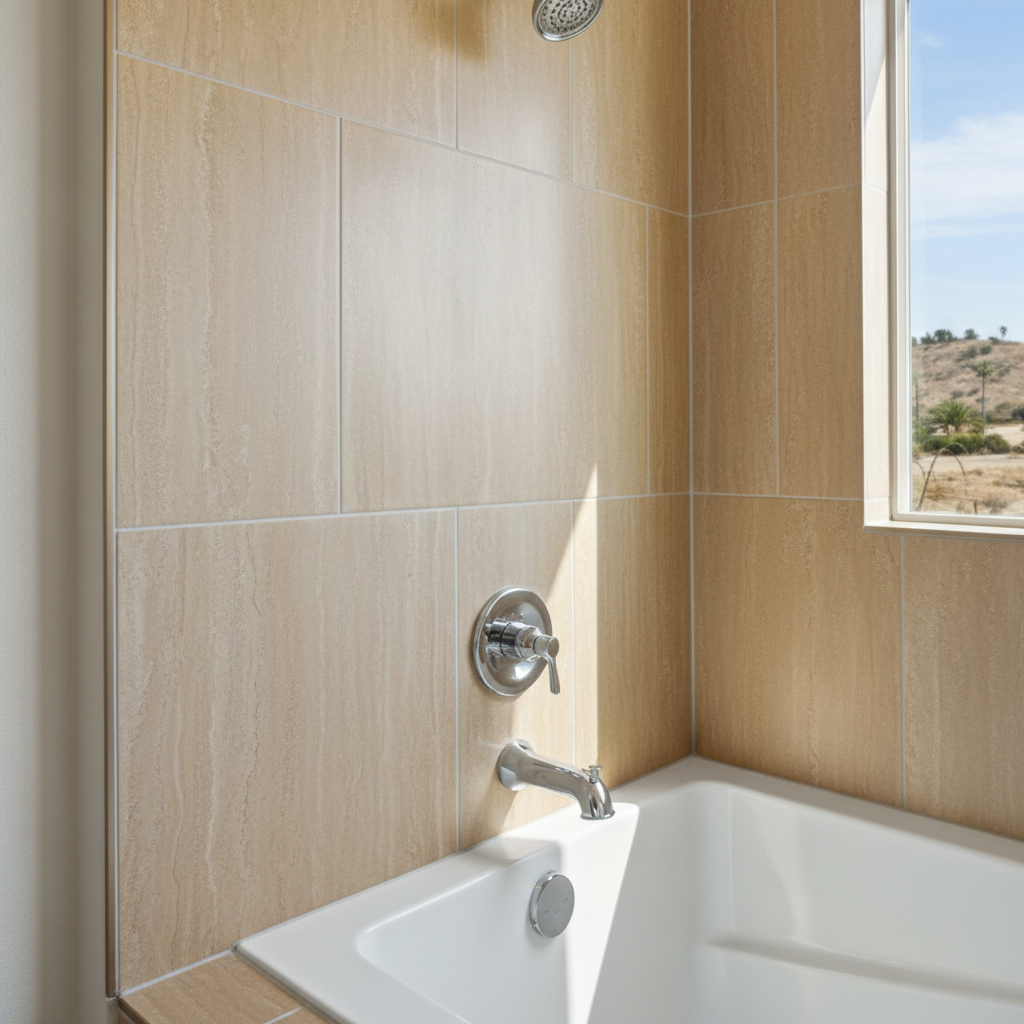
What's the real difference between acrylic and fiberglass for tubs and showers?
Alright, let's clear this up, because it's a common sticking point. When people ask me about materials, they often just throw these two together, but they're really not the same thing. Fiberglass, which you'll spot in plenty of older homes — especially those from the '70s and '80s — is essentially glass fibers strengthened with resin. It's light, pretty inexpensive to manufacture, and a breeze to put in. The catch? It's not incredibly tough. It can crack, scratch, and lose its color over time, plus it tends to flex a bit, meaning you might feel some give under your feet. That flexing, by the way, can also cause cracks if it's not supported just right.
Acrylic, however, starts as a sheet of plastic. We heat it up, then vacuum-form it into the shape of a tub or shower pan. Usually, it gets reinforced on the back with fiberglass or other materials for added strength. Acrylic is way more durable than plain fiberglass. It's less likely to scratch, keeps its color better, and since it's non-porous, it fights off mold and mildew much more effectively. It also feels warmer when you touch it. You'll probably pay a little more for acrylic, but honestly, especially with all the abuse a busy family bathroom takes, it's usually worth the extra cash. It just holds up better over the years, doesn't it?
Can I convert my tub to a shower, or vice versa, without a full remodel?
You absolutely can, but